

In an increasingly consumer-driven society, understanding your spending triggers is essential for maintaining financial stability and achieving personal economic goals. This insightful article delves into the psychological and emotional factors that often influence our spending behaviors. By identifying these triggers, individuals can take proactive steps to manage and control impulse purchases, thereby cultivating a more mindful and sustainable approach to financial management. Whether it’s the allure of seasonal sales or the comforting ease of shopping as stress relief, recognizing and addressing these impulses empowers you to transform your personal spending habits for lasting financial health. Dive into these strategies to uncover and control the forces behind your purchasing decisions.
Identify Emotional vs Practical Spending
Understanding the difference between emotional and practical spending is crucial in managing your financial habits. Emotional spending often stems from an immediate desire to satisfy a feeling, such as stress or excitement, without considering the long-term impact. It usually results in purchasing items based on impulse rather than necessity.
On the other hand, practical spending is driven by logical needs and involves careful consideration of the items’ value and utility. This type of spending aligns with your overall financial goals and provides long-term benefits or fulfillment.
To identify these triggers, reflect on your recent purchases. Ask yourself whether the decision was made to satisfy an emotional urge or to fulfill an essential need. Creating a budget and tracking expenses can help distinguish between these spending types and guide better decision-making in the future.
Track Your Spending Patterns Closely
Understanding your spending triggers begins with the diligent practice of monitoring your financial behavior. By tracking your spending patterns closely, you gain valuable insight into your financial habits, enabling you to make informed decisions.
Begin by categorizing your expenses into essential and discretionary spending. This will help you identify areas where you may be indulging unnecessarily and where you could potentially save.
Utilize financial tools and apps designed to help track every transaction. These resources provide real-time updates and comprehensive reports, highlighting patterns that may not be immediately apparent.
Analyze the data regularly to uncover any recurring trends or impulse purchases linked to specific situations or emotional states. By doing so, you’ll better understand how both internal and external factors affect your spending behavior.
Finally, establish new, objective goals tailored to improving your spending habits. By actively monitoring and adjusting your financial strategies, you can effectively manage your resources and avoid unnecessary expenses.
Create Barriers for Impulse Purchases
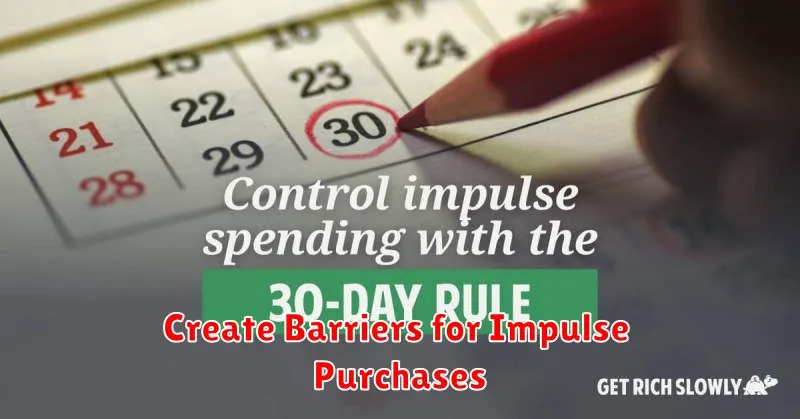
To better manage your spending habits, it’s crucial to establish barriers that prevent impulse buying. Impulse purchases are often driven by emotional triggers, and by creating strategic obstacles, you can gain better control over your finances.
One effective method is to implement a mandatory waiting period before making a purchase. By giving yourself a set amount of time, such as 24 hours, to consider the need and value of the item, you can avoid making decisions based on immediate desires.
Another strategy is to limit your payment options. By pre-setting your budget for specific categories and keeping non-essential funds in a separate account, you limit access to extra spending money and reduce the temptation to buy on impulse.
Additionally, unsubscribing from promotional emails and alerts can help reduce shopping triggers. Often, these notifications prompt a false sense of urgency, leading to unnecessary purchases.
Finally, stick to a shopping list when making purchases, and make sure it aligns with your budget and financial goals. This practice ensures you buy only what you truly need, significantly curbing the inclination to buy impulsively.
Replace Emotional Shopping With Healthier Habits
Emotional shopping, often triggered by stress or a desire for instant gratification, can lead to financial strain and buyer’s remorse. The first step in curbing this behavior is recognizing its emotional roots. By understanding what emotions prompt you to shop, you can begin to seek healthier alternatives to cope.
Instead of reaching for your wallet when emotions run high, consider engaging in healthier habits such as exercise, meditation, or journaling. Physical activity can significantly reduce stress levels, releasing endorphins that naturally elevate mood. Meditation, on the other hand, offers a calming effect and helps clear the mind, allowing you to process emotions more effectively.
Journaling is another beneficial practice, providing a safe outlet to express feelings and reflect on them without resorting to shopping. By writing down your thoughts, you gain clarity and can better understand your emotional spending triggers. Establishing a routine that includes these activities can gradually shift your reliance away from shopping as a coping mechanism.
Building a support network is also crucial. Sharing your goals with friends or family provides accountability and encouragement, creating an environment conducive to change. Additionally, a professional therapist can offer guidance tailored to your personal circumstances, enhancing your journey towards healthier habits.
Ultimately, replacing emotional shopping with healthier habits not only safeguards your finances but also promotes emotional well-being. By investing time in self-awareness and positive activities, you cultivate resilience and maintain a balanced life. This approach not only curtails emotional spending but also enriches your overall quality of life.
Set a Cooling-Off Rule Before Buying
In today’s consumer-driven world, it’s easy to fall into the trap of impulsive spending. Identifying your spending triggers is a crucial first step, but implementing a strategy like the Cooling-Off Rule can provide you with a practical approach to curbing unnecessary expenses.
The Cooling-Off Rule involves setting a mandatory waiting period before making any significant purchase. This pause allows you time to consider whether the item is truly necessary or merely a fleeting desire. By imposing this delay, you give yourself the opportunity to evaluate the purchase’s impact on your financial health and long-term goals.
During this waiting period, reflect on the item’s importance and whether it aligns with your financial priorities. Consider alternative uses for the money or explore if there are more economical options available. This method encourages mindful spending, helping you make decisions that are in line with your budget and lifestyle.
Implementing a Cooling-Off Rule not only aids in reducing emotional purchases fueled by stress or peer pressure but also empowers you to gain control over your financial decisions. Start by defining a realistic waiting period, such as 24 hours for smaller purchases, and longer for bigger ones.
Ultimately, the Cooling-Off Rule is a powerful tool to help you regain control over your spending habits and ensure your purchases contribute positively to your financial journey. By practicing patience and self-control, you create a more stable and rewarding financial landscape for yourself.
Have an Accountability Partner for Large Buys
Making large purchases can often be a source of financial stress, especially if these expenditures are made on impulse. To mitigate this, having an accountability partner can be incredibly beneficial. This person acts as a check on your spending habits, providing a second opinion before you commit to a substantial investment.
When selecting an accountability partner, choose someone who is financially responsible and understands your financial goals. This could be a friend, family member, or even a financial advisor. They should be willing to engage in an honest dialogue about your spending decisions and challenge you when necessary.
Before making a large purchase, discuss the rationale, benefits, and potential downsides with your accountability partner. This conversation can often reveal if the purchase is truly necessary or merely driven by a temporary desire. Having such a discussion aligns with your long-term financial objectives and helps you to avoid buyer’s remorse.
Moreover, regular check-ins with your accountability partner can reinforce disciplined spending habits, helping you identify and manage spending triggers more effectively. This structured approach ensures that large purchases contribute positively to your financial well-being.
Reflect Weekly to Notice Progress and Patterns
Understanding your spending triggers is an essential step in managing your finances effectively. A practical approach to achieving this is by reflecting on your spending habits weekly. This routine allows you to monitor progress and identify any recurring patterns influencing your spending behavior.
Each week, set aside some time to review your purchases. Look for trends that might indicate a pattern, such as spending more during certain times of the week or when you are in specific emotional states. By identifying these patterns, you can make informed decisions and develop strategies to control unnecessary expenses.
Keep a journal or use budgeting apps to document your reflections. These tools can help consolidate your observations, making it easier to notice subtle cues you might otherwise overlook. The act of writing itself can often bring clarity and deepen your understanding of your habits.
Regular reflection not only highlights immediate concerns but also enhances long-term financial awareness. Over time, you should begin to recognize improvements, which will reinforce the positive changes you are implementing. This ongoing practice ensures that you are not only aware of existing triggers but also prepared to handle new challenges as they arise.
